Ever opened a website and instantly closed an annoying ad blocking your screen? How about noticing a new tab quietly waiting behind your browser after leaving a page?
That’s the difference between pop-up and popunder ads, two powerful advertising formats that can either boost conversions or drive users away when used incorrectly.
In this guide, we’ll explore the key differences between pop-up and popunder ads, how each format works, their pros and cons, how they impact user experience, and everything advertisers should know before running pop campaigns.
TL;DR
- Pop-ups are best for urgent, high-impact offers but can increase bounce rates, while popunders are better for scalable traffic, testing, and delayed conversions.
- The choice depends on your goal: pop-ups for instant attention and popunders for a smoother user experience and broader performance campaigns.
How We Ended Here
The “Good” Intentions
In the 90s, brands hated their ads appearing next to weird stuff on the web. The pop-up was born as a separate room, a way to put the ad in its own space so it wouldn’t be “contaminated” by the website it was on. However, pop-ups were effective until they became so “spammy” that users developed a reflex to click the “X” within 0.2 seconds.
The Popunder Pivot
As users got faster at closing pop-ups, advertisers got sneakier. They invented the popunder(loading behind your browser so it doesn’t interrupt your session). They hoped that when you finally closed your browser to go to bed, you’d be in a “relaxed” state and more likely to click the ad.
Why Are Pop Ads Still Efficient Today
While many affiliates and media buyers consider them “old school,” this format has evolved into a sophisticated tool for rapid testing and scaling in a landscape where traditional display ads are increasingly ignored. Here is why they remain a staple in the affiliate toolkit today:
1. Fast Data Validation
Affiliates use pop traffic as a litmus test. Because it is high-volume and low-cost, you can send 10,000 visitors to a landing page in a matter of hours for a fraction of the cost of Facebook or Google.
Within hours, an affiliate knows if their landing page CTR (Click-Through Rate) and offer CR (Conversion Rate) are viable. If a funnel doesn’t convert on cheap pop traffic, it’s unlikely to survive on expensive search traffic.
2. Immunity to Banner Blindness
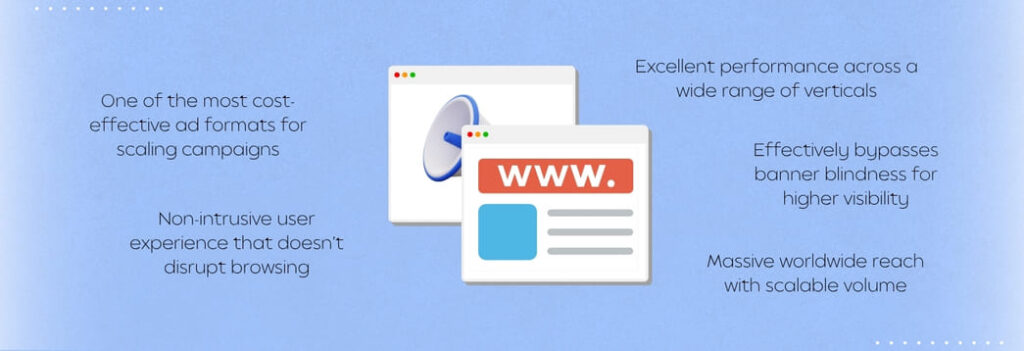
Users have been trained for decades to ignore the top and sidebars of websites. Pop ads, specifically Popunders, bypass this mental filter. The user only sees it when they finish their current task and close their tab. This means the ad doesn’t compete for attention with other content; it is the content at that moment.
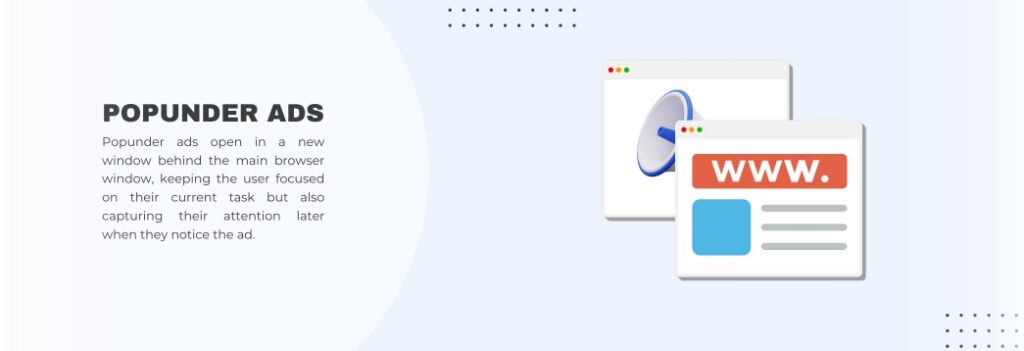
Unlike traditional pop-ups that interrupt a user, popunders wait until the “session intent” is over, leading to lower immediate bounce rates.
3. Zero Creative Friction
One of the biggest hurdles in media buying is creative fatigue (and constantly having to make new banners). With pops, though, the Landing Page is the ad itself. This allows affiliates to focus 100% of their energy on copywriting and lander optimization rather than graphic design.
4. Good Investments
Unlike Google or Facebook, where a $50 budget might barely buy you a handful of clicks in a competitive niche, $50 in the pop world is a significant “testing phase” budget.
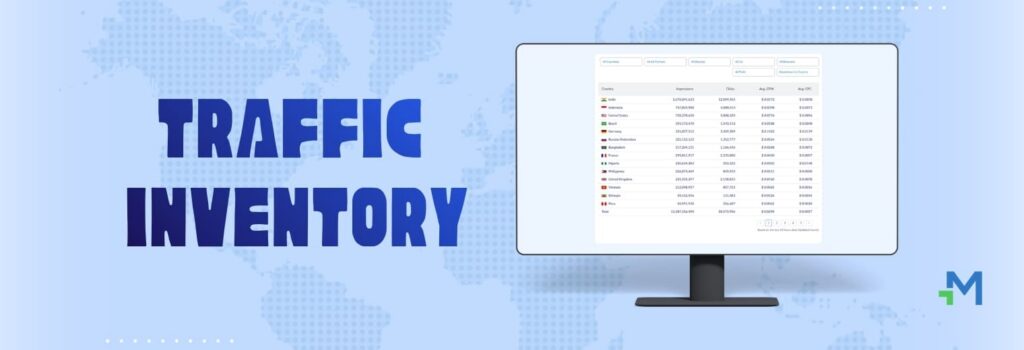
Minimum Deposits: Many networks (ahem, Mondiad) allow you to start with just $50.
Insane Unit Volume: With CPMs starting as low as $0.20 to $0.50, a $50 deposit can buy you roughly 100,000 to 250,000 impressions.
5. Vertical Versatility
Certain industries thrive on impulsive user behavior and “cold” traffic. Pop ads are the undisputed king for:
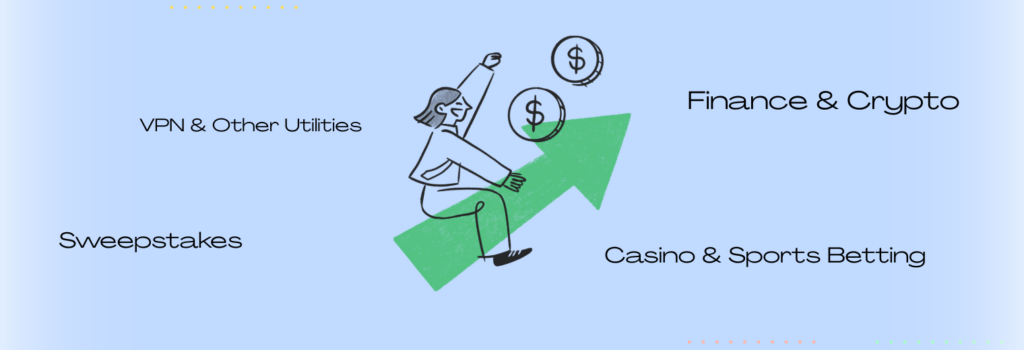
- iGaming & Betting: High-energy offers that need immediate visual impact.
- Utilities: Solving a “problem”, the user realizes they have the moment they see the lander.
- Sweepstakes: Low-friction offers (e.g., “Win an iPhone”) that work well with broad, high-volume traffic.
- App Installs: One-click conversion flows that match the “fast” nature of pop traffic.
Understanding Pop-Up Advertising
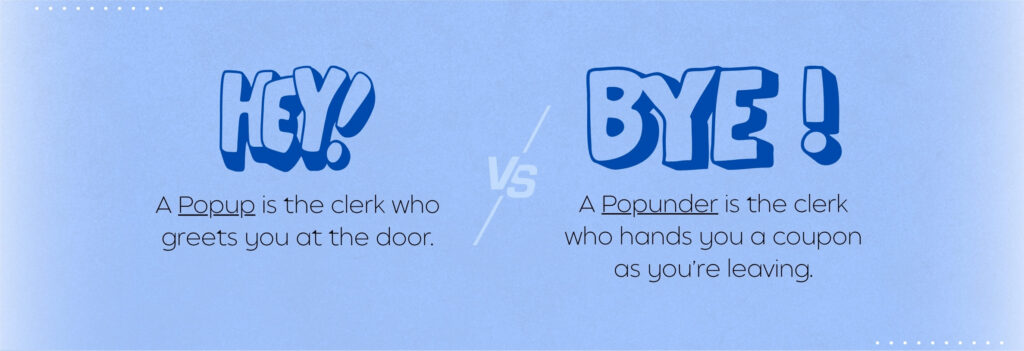
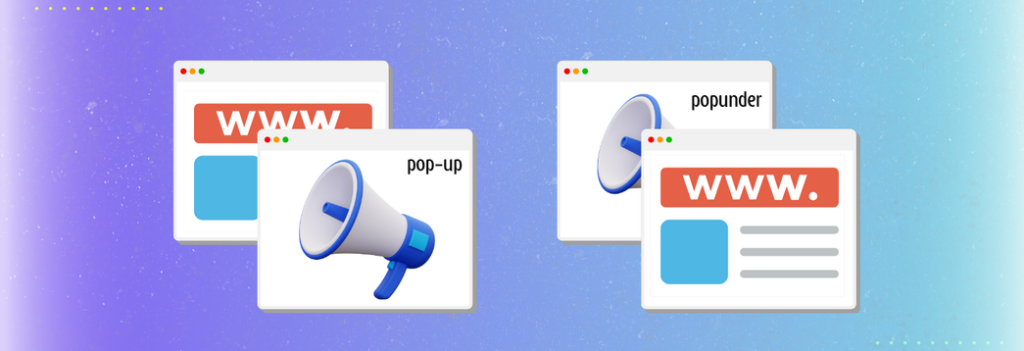
What is a Pop-up? A Pop-up is an ad window that opens over the current browser window. It forces the user to interact with it immediately to get back to their content.
| Pop-Up Advertising PROs | Pop-Up Advertising CONs | |
|---|---|---|
| Visibility | 100% Seen: Every single visitor will see your message. You aren’t hoping for a glance; you have the floor. | Intrusive: It’s an interruption. If the offer isn’t great, users might leave the site entirely. |
| Conversion | High Action: Great for “Flash Sales” or urgent lead magnets. They convert faster because they create friction. | “X” Reflex: People are trained to close them instantly without reading the text. |
| Audience | Best for Newbies: Great for grabbing a first-time visitor’s email before they wander off. | Mobile Issues: Harder to design for small screens. |
Popunder Ads Explained 💥
What is a Popunder? A Popunder (often called “OnClick”) opens in a new tab or window behind the active one. The user only discovers it once they close their current browser session or switch tabs.
| Popunder Advertising PROs | Popunder Advertising CONs | |
|---|---|---|
| UX Flow | Non-Disruptive: They don’t stop the user from reading. This keeps your “Time on Page” metrics healthy. | Delayed Gratification: You won’t get an “instant” sale. The user sees it minutes or hours later. |
| Attention | Clean Slate: When the user finally sees the ad, they’ve finished their task and have more “brain space” to look at it. | The “Creep” Factor: Some users find it sneaky when an extra window appears out of nowhere. |
| Performance | Quality Clicks: Fewer accidental clicks. If someone engages with a popunder, they usually mean it. | Aggressive Blocking: Modern browsers hate new windows. You need a solid ad network(like Mondiad) to bypass basic blockers. |
Popup or Popunder Ads?
| Feature | Pop-up | Popunder (OnClick) |
|---|---|---|
| User Experience | Intrusive, interrupts the user’s activity immediately | Passive, remains in the background until the user finishes their task |
| Visibility | Immediate, guaranteed to be seen (or closed) instantly | Delayed, appears when the user closes their main tab or switches windows |
| Engagement | Higher bounce rate, often closed out of frustration | Lower bounce rate, users are more receptive when they encounter it |
| Ad Blocker Risk | High, heavily targeted by modern browsers | Moderate, can bypass filters more effectively with optimized delivery |
| Best Use Case | Exit-intent offers, urgent alerts, lead generation | Affiliate offers, software installs, iGaming, sweepstakes |
Go with Pop-ups if:
- You are running Exit-Intent campaigns on your own landing pages.
- You have an offer that is so incredibly compelling, that the interruption is worth the risk.
- You are targeting “low-sophistication” traffic where users are less likely to be annoyed by traditional pop-ups.
Go with Popunders if: (Recommended)

- You are a Media Buyer or Affiliate.
- You want to maintain a “cleaner” flow where the user discovers your offer at the end of their browsing session.
- You are looking for higher-quality leads. The fact that the user didn’t instantly kill the window usually means they are more open to reading your content.
Naturally, choosing between pop-ups and popunders isn’t about which is “better”… it’s about matching the format to your goal, traffic type, and user tolerance.
Rookie Mistakes to Avoid in Pop Advertising
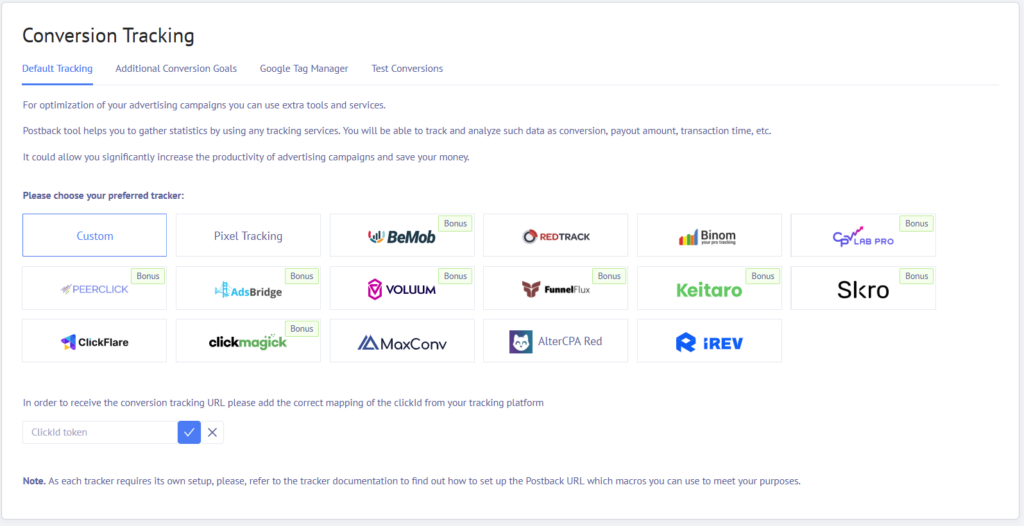
No Tracking:
Running pop ads without a tracker is like throwing money into a dark room. You won’t know which sites are sending bots and which are sending buyers.
Slow Load Speed:
If your landing page takes more than 2 seconds to load, the user will close the tab before seeing your offer. Speed is everything.
Broad Targeting:
Start with specific mobile OS versions or specific browser languages to avoid burning your budget on “trash” traffic.
If you want volume and high-speed testing, go with Popunders. If you want to grab a user’s attention exactly as they try to leave your site, use a Pop-up.
Popup vs Popunder Ads FAQ
What is the difference between popup and popunder ads?
A pop-up ad opens in front of the user’s current browser window or tab, immediately grabbing attention. A popunder ad opens behind the active window or tab, allowing users to continue browsing before noticing the ad later.
Which ad format has higher visibility?
Popup ads have higher immediate visibility because they appear on top of the current page. Popunder ads become visible after the user closes or minimizes their active browser window.
Which one converts better, pop-ups or popunder ads?
Nowadays, popunders are the industry standard for performance marketing. Because they don’t interrupt the user’s immediate flow, they have a lower “annoyance factor,” leading to higher quality engagement.
Pop-ups are typically used for urgent “exit-intent” offers on your own website rather than paid traffic.
Are pop ads still blocked by browsers?
Yes, modern browsers (Chrome, Safari) have built-in blockers. However, top-tier ad networks use Anti-Adblock technology and specialized scripts that bypass these filters legally, ensuring your ad reaches the user.
Should beginners use pop-up or popunder ads?
Beginners are generally better off starting with popunder ads, as they’re less intrusive, more user-friendly, and easier to optimize while learning, whereas pop-ups can be more aggressive and are often blocked or quickly closed by users.
Give Your Campaigns the Pop They Deserve, With Mondiad!
Run popunder campaigns with advanced targeting, real-time optimization, and high-converting traffic sources in just 10 minutes. It’s that easy!