


Attending a conference isn’t just two days of presentations followed by a networking cocktail. For those who understand the system, it’s the densest concentration of high-quality contacts you’ll see all year.
According to the Event Marketing Institute, 78% of B2B professionals consider conferences the most effective channel for generating valuable leads. When properly prepared, a single meeting can deliver ROI exceeding 300% of your ticket and travel costs.
Yet, most attendees make the same mistake: they collect contacts, then forget about them. Statistics show that roughly 60% of these connections never turn into real business. Here’s how to avoid that trap and maximize your face-to-face opportunities, based on insights from the MAC team.
Before the Conference: Preparation Starts at Home
LinkedIn research shows that pre-planning meetings increases the likelihood of successful connections by 35–50%. The most common mistake? Arriving and figuring out who to talk to on the spot.
The optimal approach: one to two weeks before the event, create a shortlist of 7–10 companies or key individuals you want to meet — whether your goal is an offer, partnership, or improving existing agreements.
Next, do a minimal amount of research:
- What verticals does the company operate in?
- Who will staff the booth?
- Who are the key decision-makers (Head of Partnerships, Affiliate Managers)?
Personalized outreach increases meeting success rates by up to 60% compared to generic invitations. A simple message on Telegram or LinkedIn — e.g., “I’ll be at the conference and would like to meet for 15 minutes” — is often enough: short, specific, and purposeful.
On the Floor: Staying Visible and Efficient
The first day of a conference is usually the most valuable. EventMB data shows that morning booth hours generate roughly 20% more conversions than afternoon sessions. Attendees are fresh, alert, and more receptive to meaningful discussions.
Come prepared with specifics. Instead of asking, “Can you tell me about your terms?” try:
“I run Facebook traffic in the gambling vertical, Tier‑1 markets, interested in RevShare from X%. Worth discussing?”
This immediately filters out irrelevant conversations and saves time.
Modern networking studies also highlight the importance of digital tracking. Recording contacts in Telegram, a CRM, or simple notes can increase the likelihood of follow-up success by up to 40%, because it allows you to quickly recall the details of each conversation.
After-Parties: Where Real Decisions Happen
Experience shows that 70% of strategic agreements are reached off the booth floor, in informal settings. Even C‑level executives become more accessible in a relaxed evening environment, and discussions feel natural.
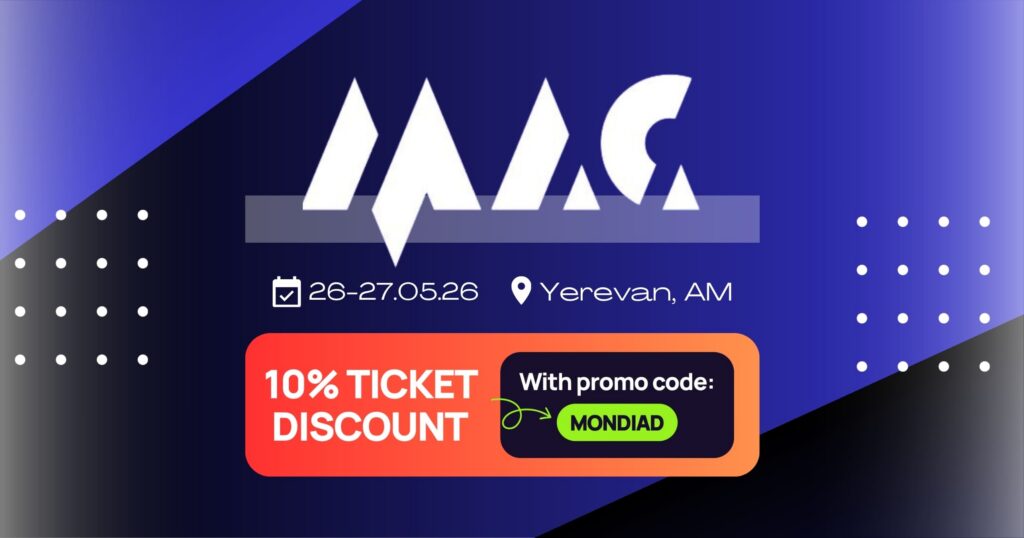
The composition of an after-party matters: the more diverse the companies and countries represented, the higher the chance of serendipitous, valuable introductions. MAC in Yerevan, for instance, brings together European, Asian, and CIS companies — creating unique cross-border networking opportunities.
Post-Event: Don’t Let Half Your Work Go to Waste
Roughly 50–60% of attendees fail to follow up on contacts — yet this step is crucial to turning conversations into tangible results. Best practice: send personalized messages within 48 hours. Example:
“We discussed RevShare on gambling campaigns. I can share stats — when’s a good time for a call?”
If you agreed on a next step, document it immediately. Harvard Business Review research shows that prompt follow-up increases the chance of continued engagement by 30–50%.
The Key Takeaway
Effective networking isn’t about the number of contacts — it’s about quality. Three or four strong conversations that convert into agreements are worth far more than dozens of generic exchanges. One successful connection can cover the cost of your ticket, flight, and hotel several times over.
Preparation, specificity, and post-event follow-up transform a conference from a calendar item into a real business-generating machine.
